
4.3
Based on 212 reviews
powered by


sallumwi
2 months ago
"Dr. Shehrbano is incredible! The Alma Harmony treatment completely exceeded my expectations—minimal downtime and visible results. 5/5 stars!"
Highly Recommended
Highly Recommended


Aleena ghiyas
3 months ago
Ipal did wonders for me. Dr Sherbano not only gives you what you want but instead explains the full plan and actually wants you to feel better inside out. The staff is amazing. Getting my soprano laser and the staff and savera makes you feel at home and always comfortable.

RIDAA ALI
4 months ago
This is my honest review after being regular customer from 3 to 4 years now. I’ve been a regular at Dr. Sherbano IPAL Clinic for a while now and I love it! 💯 From lasers to acne treatment, everything was explained and done so smoothly. Dr. Sherbano explains everything really well and makes you feel comfortable.
The Front Desk Coordinator, ‘Uswa’, is also extremely professional. She manages the whole clinic floor really well, handles patient coordination perfectly, and deals with everyone so kindly. The entire team is fantastic and makes the experience stress-free.
1000000 out of 10 experience! 🫰🏻
The Front Desk Coordinator, ‘Uswa’, is also extremely professional. She manages the whole clinic floor really well, handles patient coordination perfectly, and deals with everyone so kindly. The entire team is fantastic and makes the experience stress-free.
1000000 out of 10 experience! 🫰🏻

Victoria Secret
4 months ago
I cannot thank Dr. Sheher Bano enough for her incredible support and guidance. I started seeing her for help with my weight loss journey, and the results have been absolutely life changing.
With her help, I have successfully lost 16 kg! But the benefits didn't stop there. she also completely helped me clear up my skin. Thanks to her holistic approach and guidance, my skin is now glowing and I honestly look like a completely different person now.
Dr. Bano has been truly great in every single aspect of my care. She listens, she tailors everything to your specific needs, and she genuinely cares about your progress. If you are looking for a doctor who will completely transform your health, appearance, and confidence, I highly, highly recommend Dr. Sheher Bano!💗
With her help, I have successfully lost 16 kg! But the benefits didn't stop there. she also completely helped me clear up my skin. Thanks to her holistic approach and guidance, my skin is now glowing and I honestly look like a completely different person now.
Dr. Bano has been truly great in every single aspect of my care. She listens, she tailors everything to your specific needs, and she genuinely cares about your progress. If you are looking for a doctor who will completely transform your health, appearance, and confidence, I highly, highly recommend Dr. Sheher Bano!💗

Anq Anq
6 months ago
I had an excellent experience with Dr. Shehr Bano at IPAL Clinic. She has a very pleasant personality and carries herself with true professionalism. From the very first consultation, it was clear that she knows exactly what she’s doing and pays close attention to every detail.
The clinic maintains a high standard of hygiene, and the staff is professional, knowledgeable, and cooperative. I underwent acne and laser treatments, and the results have been truly impressive. My skin has improved significantly. And I look forward to continuing further treatments at IPAL.
Dr. Shehr Bano is highly skilled and someone you can trust with confidence. I would strongly recommend IPAL Clinic to anyone looking for reliable and effective skin treatments. In my opinion, she is second to none. 🙌
Much regards,
Aniqa
The clinic maintains a high standard of hygiene, and the staff is professional, knowledgeable, and cooperative. I underwent acne and laser treatments, and the results have been truly impressive. My skin has improved significantly. And I look forward to continuing further treatments at IPAL.
Dr. Shehr Bano is highly skilled and someone you can trust with confidence. I would strongly recommend IPAL Clinic to anyone looking for reliable and effective skin treatments. In my opinion, she is second to none. 🙌
Much regards,
Aniqa

Nasir Rauf
6 months ago
I visited IPAL Clinic and after a consultation with Dr. Sheher Bano she recommended Exosome therapy. I’ll admit it was a new concept to me but her confidence in the procedure, promising that it would not only stop the thinning but actually help regrow what I’d lost, convinced me to go for it. 5 months in today the results are exactly as promised. My hair feels thicker, the shedding has stopped, and the regrowth is visible
I honestly can’t recommend Dr. Sheher Bano and the IPAL team enough if you’re struggling with hair loss. They provide such professional care and seeing my hair actually grow back is proof that their treatments really work.
I honestly can’t recommend Dr. Sheher Bano and the IPAL team enough if you’re struggling with hair loss. They provide such professional care and seeing my hair actually grow back is proof that their treatments really work.

shehzar hassan
7 months ago
I have been seeing Dr Shehbano for nine months and I'm totally addicted! She is a true professional who really helped me understand my face and cleared up my persistent acne. She is not only skilled but also creates such a relaxing, welcoming atmosphere—She has a sharp attention to detail and is able to correct even minor asymmetries in the face, and when it comes to fillers she knows the exact amount of filler required in specific areas of the face. Most importantly she stops from over filling the face, creating natural and exceptional results. Id recommend her to anyone who is looking to become the best version of themselves. I lost volume in my cheeks and looked tired all the time. She recommended a subtle cheek filler to restore that youthful, upward structure. She didn't overfill me, which I really appreciated. I look rested and refreshed, and the results are so natural that friends say I look 'happy,' not 'done.'


Asnameattrade
11 months ago
Extremely disappointing experience — they are only after money
I’m writing this because I’ve seen far too many people suffer after going to IPAL Clinic, including someone very close to me. Their entire approach feels like they are only after money, not the patient’s wellbeing. Instead of giving honest guidance, they push expensive procedures and steer patients in the wrong direction just to make a sale.
I personally know multiple patients who have had complications and were left without proper follow-up or accountability. The attitude towards after-care is dismissive, and once they’ve taken the payment, you’re basically on your own.
Aesthetic procedures come with risks everywhere, but the lack of transparency, poor ethics, and the way they misguide people here is shocking. I would strongly advise anyone considering this clinic to think twice and get multiple opinions before trusting them.
I’m writing this because I’ve seen far too many people suffer after going to IPAL Clinic, including someone very close to me. Their entire approach feels like they are only after money, not the patient’s wellbeing. Instead of giving honest guidance, they push expensive procedures and steer patients in the wrong direction just to make a sale.
I personally know multiple patients who have had complications and were left without proper follow-up or accountability. The attitude towards after-care is dismissive, and once they’ve taken the payment, you’re basically on your own.
Aesthetic procedures come with risks everywhere, but the lack of transparency, poor ethics, and the way they misguide people here is shocking. I would strongly advise anyone considering this clinic to think twice and get multiple opinions before trusting them.

Areeba Khan
11 months ago
I have been taking my laser treatment done from ipal, really helped me with my facial hair growth and I also took my acne treatment done from ipal and I want to thank dr shehrbano for helping me treat my acne. The staff is so nice and I am totally satisfied with their services.


Roomi175
11 months ago
I waited two months before posting this review, hoping my condition would improve.
I paid PKR 500,000 to Dr Sherbano at IPAL Clinic for a FaceTite procedure, and it’s been almost two months — my face has actually become worse. I’ve lost sensation in both cheeks and on the right side of my lip, and I can’t pronounce many words properly.
Apart from a few occasional texts, there’s been very little follow-up. Yesterday I was even told I should “appreciate” that the doctor is following up — which made me realize there’s absolutely no accountability if a procedure goes wrong.
I understand complications can happen anywhere, but this level of after-care and responsibility is unacceptable. It honestly makes me appreciate the NHS, where doctors are answerable and patient care truly matters.
The attitude and lack of empathy here sadly reflect how our society has become — people in positions of authority often mirror the same arrogance and detachment as our leaders.
Anyone considering IPAL Clinic should be aware of how patients are treated and how little support is given when results go wrong. I’m unable to upload photos here, but it’s clearly visible how poorly the procedure was done. I have not been offered any refund or proper medication. The doctor only keeps saying she will provide a complimentary treatment on my next visit, which doesn’t resolve the damage already caused.
I paid PKR 500,000 to Dr Sherbano at IPAL Clinic for a FaceTite procedure, and it’s been almost two months — my face has actually become worse. I’ve lost sensation in both cheeks and on the right side of my lip, and I can’t pronounce many words properly.
Apart from a few occasional texts, there’s been very little follow-up. Yesterday I was even told I should “appreciate” that the doctor is following up — which made me realize there’s absolutely no accountability if a procedure goes wrong.
I understand complications can happen anywhere, but this level of after-care and responsibility is unacceptable. It honestly makes me appreciate the NHS, where doctors are answerable and patient care truly matters.
The attitude and lack of empathy here sadly reflect how our society has become — people in positions of authority often mirror the same arrogance and detachment as our leaders.
Anyone considering IPAL Clinic should be aware of how patients are treated and how little support is given when results go wrong. I’m unable to upload photos here, but it’s clearly visible how poorly the procedure was done. I have not been offered any refund or proper medication. The doctor only keeps saying she will provide a complimentary treatment on my next visit, which doesn’t resolve the damage already caused.

Mahnoor Khan
1 year ago
I’ve had the pleasure of being treated by Dr. Sheharbano a few times now, and each experience has been exceptional. She truly has magic in her hands! The results from the procedures I’ve had are fantastic, and I couldn't be happier. Beyond her skill, Dr. Sheharbano is a wonderful person. She's incredibly polite, making every visit comfortable and reassuring. I highly recommend her to anyone looking for top-notch care and a genuinely great doctor.

Habiba Ahmad
2 years ago
I cannot express enough gratitude to Dr. Sherbano for the incredible work she has done on my skin. I had struggled with acne scars for a long time, and I was not confident in my skin without makeup. However, after undergoing treatment with Dr. Sherbano, my face has completely transformed. The results are truly life-changing.
Dr. Sherbano handled my procedure with so much care and professionalism. I also underwent nano fat and micro fat procedures, and the results were nothing short of outstanding. My skin looks rejuvenated, smoother, and healthier than ever before.
Not only is Dr. Sherbano exceptionally skilled, but she is also one of the most gentle, patient, and polite doctors I have ever met. Her humble and kind demeanor instantly puts you at ease. Additionally, her panel of doctors at IPAL Clinic is equally amazing, reflecting the high standards she sets in her practice.
I wholeheartedly recommend Dr. Sherbano to anyone seeking effective treatments for their skin. Her expertise and compassion make her truly exceptional. Thank you, Dr. Sherbano, for restoring my confidence and helping me feel beautiful in my own skin!
Dr. Sherbano handled my procedure with so much care and professionalism. I also underwent nano fat and micro fat procedures, and the results were nothing short of outstanding. My skin looks rejuvenated, smoother, and healthier than ever before.
Not only is Dr. Sherbano exceptionally skilled, but she is also one of the most gentle, patient, and polite doctors I have ever met. Her humble and kind demeanor instantly puts you at ease. Additionally, her panel of doctors at IPAL Clinic is equally amazing, reflecting the high standards she sets in her practice.
I wholeheartedly recommend Dr. Sherbano to anyone seeking effective treatments for their skin. Her expertise and compassion make her truly exceptional. Thank you, Dr. Sherbano, for restoring my confidence and helping me feel beautiful in my own skin!
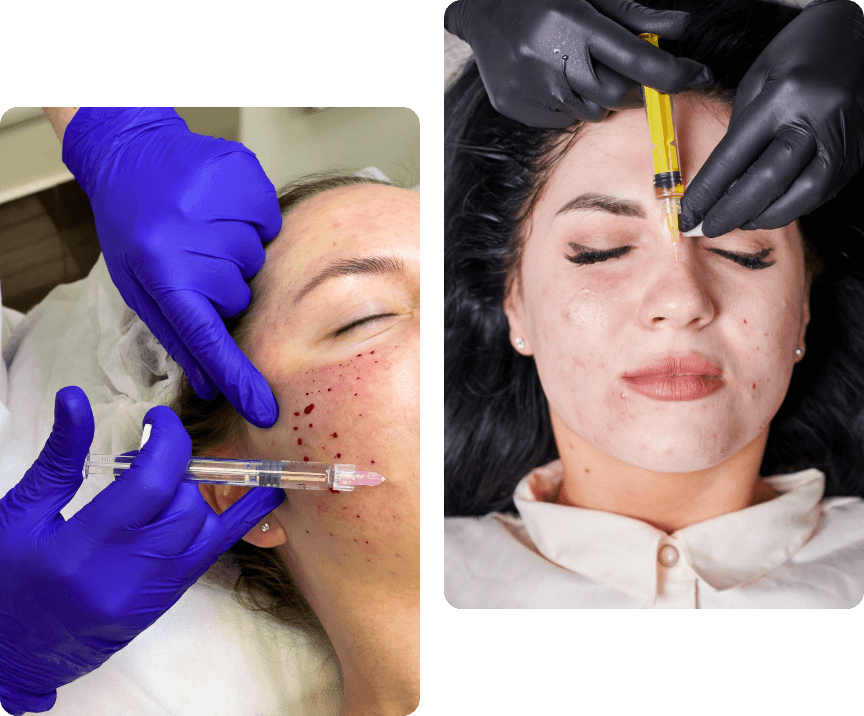
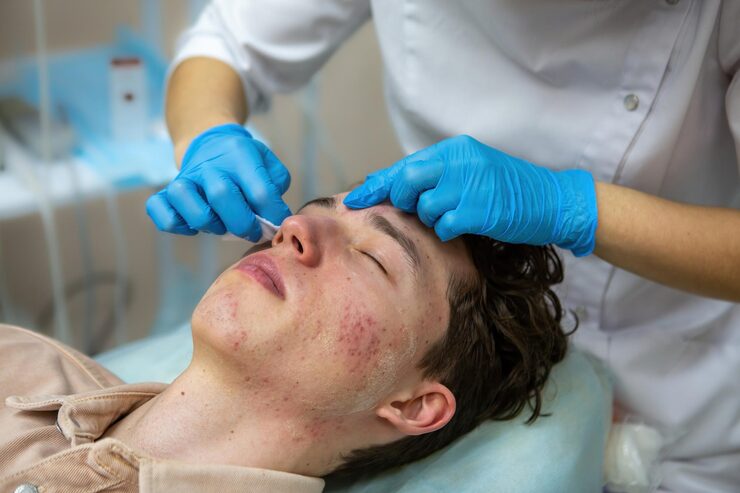
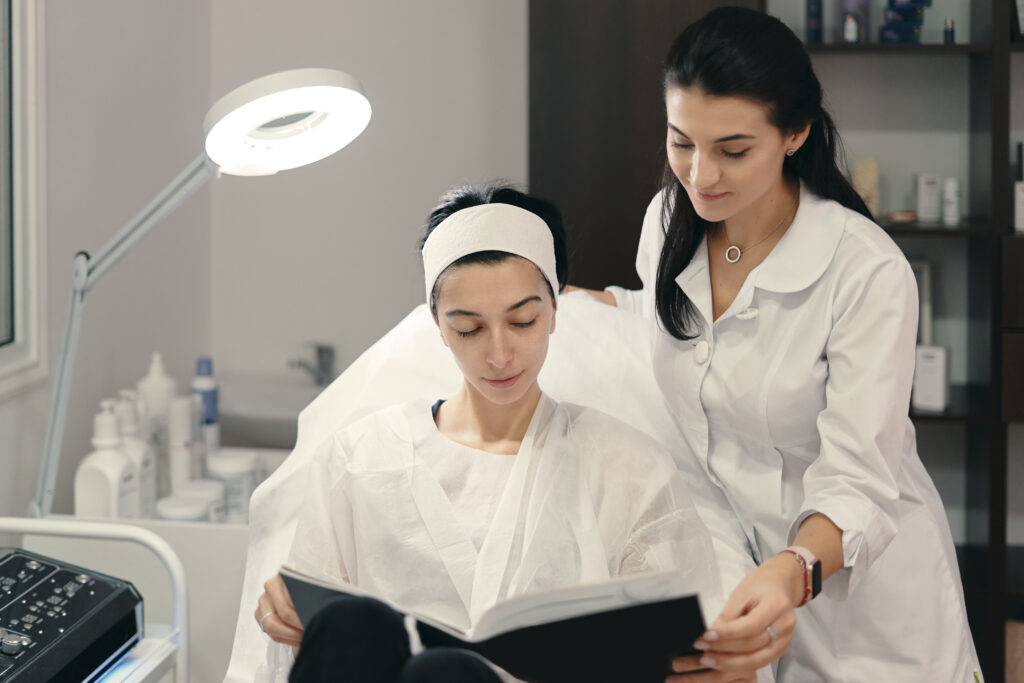
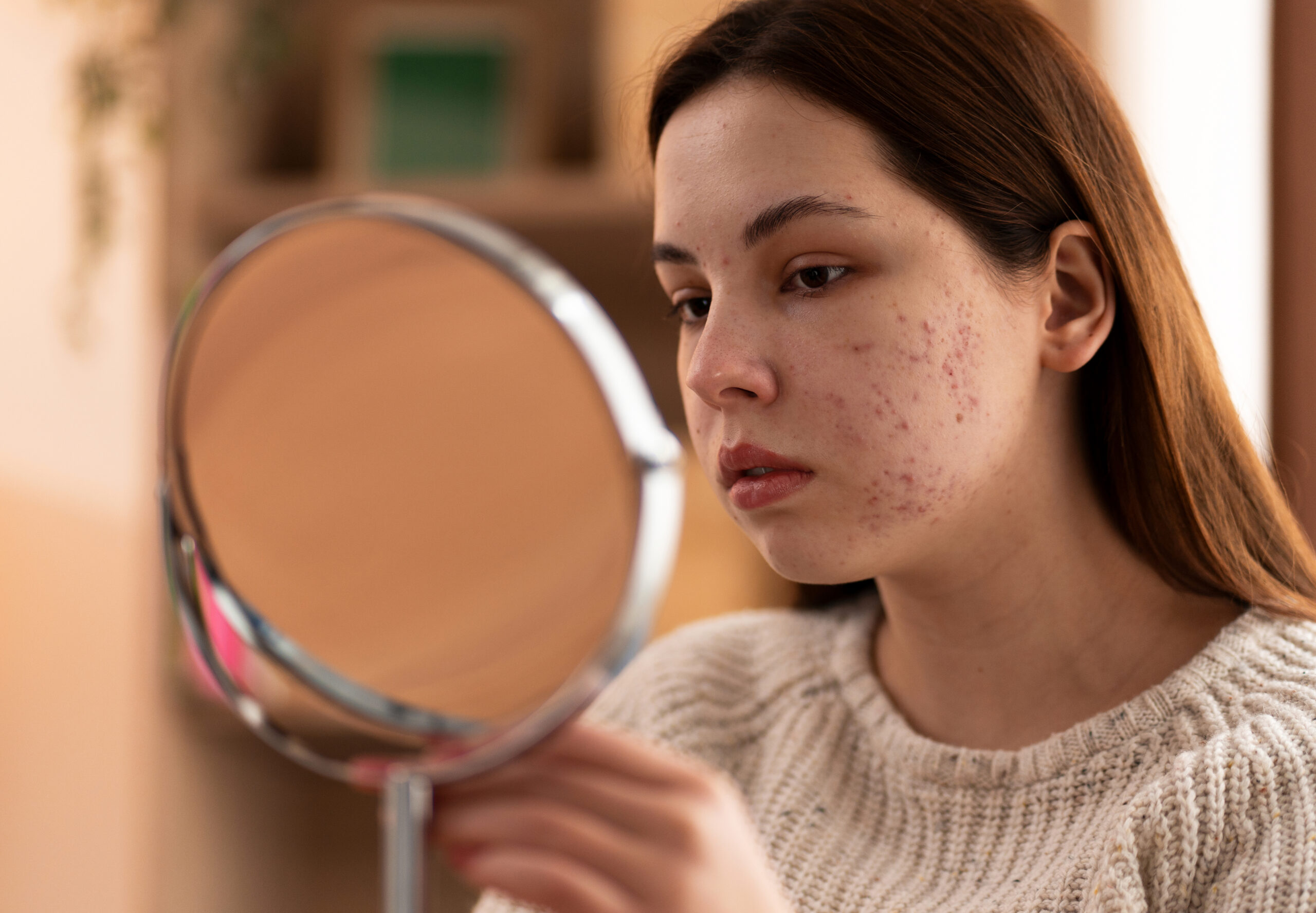
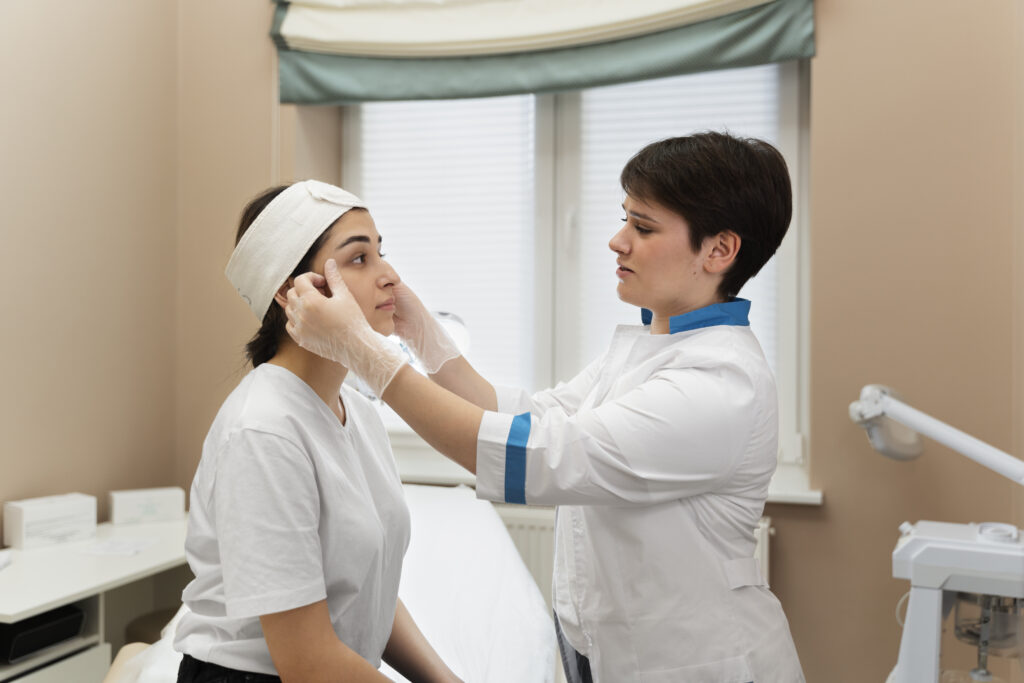
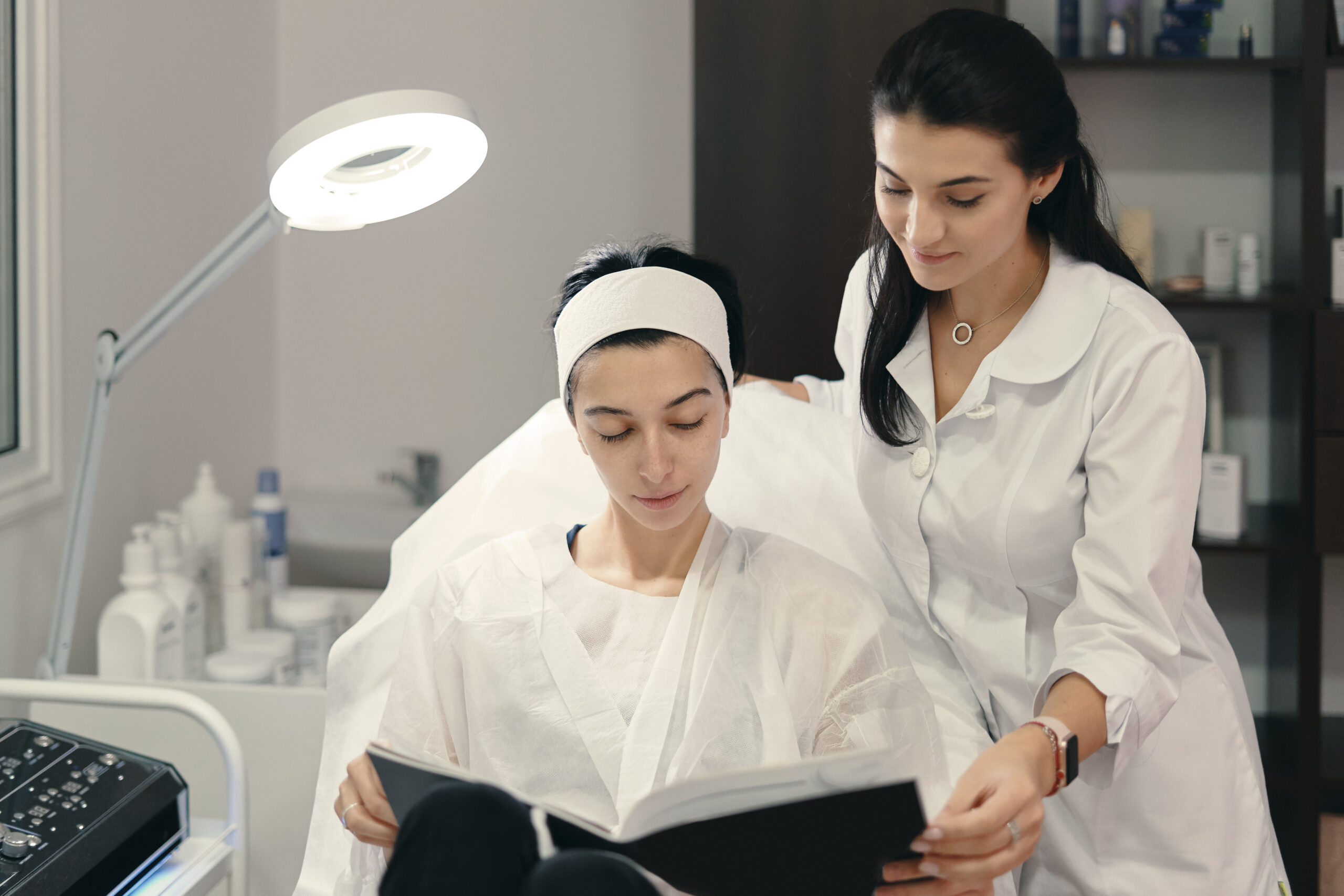
Preparing Your Skin Before Treatment
A little preparation goes a long way.
Think of it as setting the stage for better results:
● avoid retinol or strong exfoliants 48 hours before
● skip waxing or threading
● stay away from direct sun or tanning
● come with clean, makeup-free skin
● tell us about any medications
● stay hydrated (your skin will thank you)
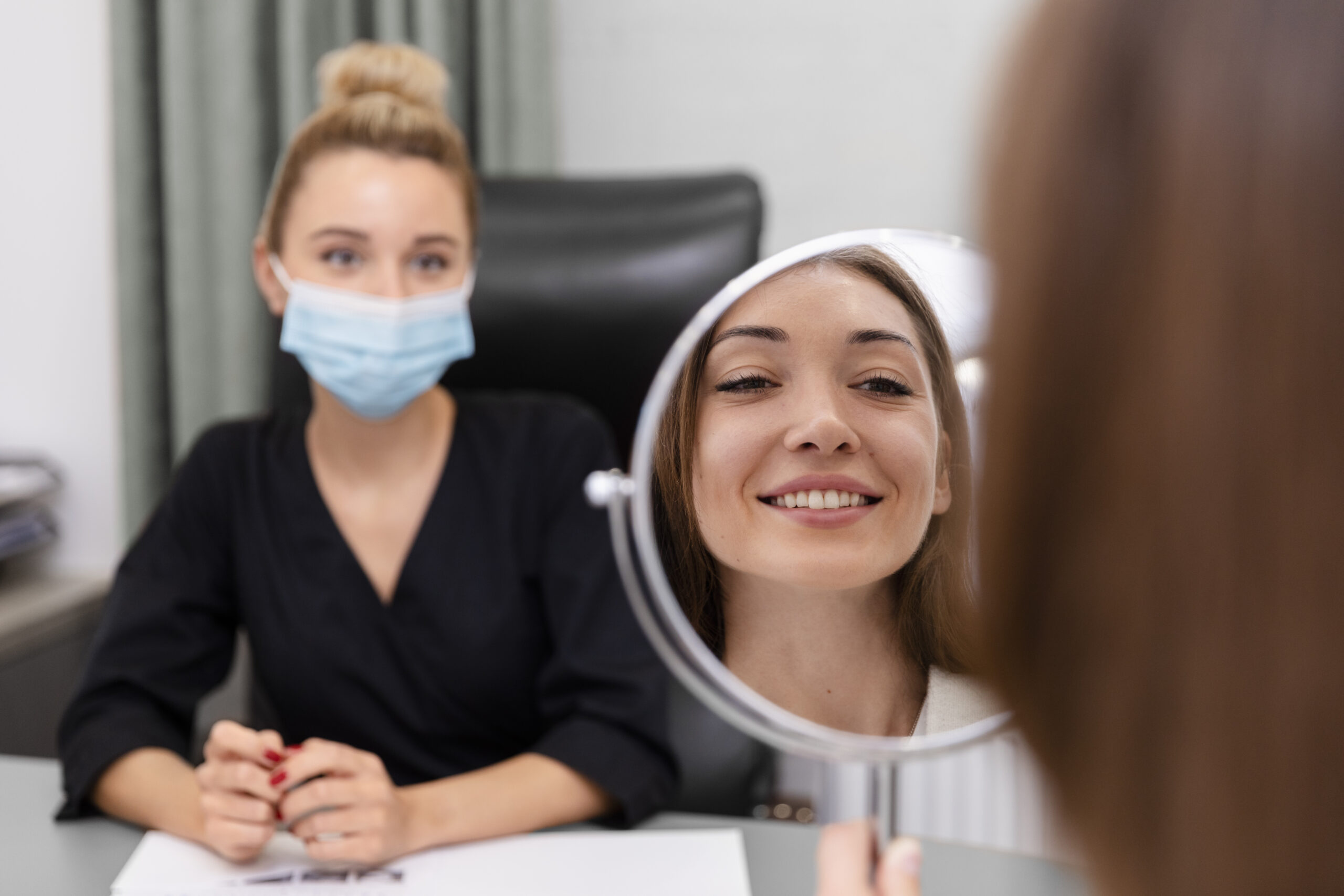
Aftercare Protecting Your Results
What you do after treatment matters as much as the treatment itself.
To keep your skin calm and healing:
● avoid touching or picking
● skip harsh products for a few days
● use sunscreen (non-negotiable)
● stay moisturized
● avoid heavy makeup right after
● follow your prescribed routine consistently