
IPAL CLINIC

How to Choose the Right Skin Treatment Based on Your Skin Type

People often assume skin treatments fail because the treatment wasn’t good enough. In reality, that’s rarely the case. Most of the time, the treatment was simply wrong for that particular skin. I see this pattern repeatedly patients trying solutions that worked brilliantly for someone else, then wondering why their own skin reacted differently.

At IPAL Clinic, this realization comes up often during consultations when the focus shifts from names and rankings to understanding the skin itself. Titles don’t heal skin understanding does.Skin doesn’t follow trends. It follows biology. Once that idea settles in, decision-making becomes far less stressful. This is usually the moment people realize why proper evaluation matters more than searching endlessly for what’s labeled as the best skin clinic in Islamabad. Titles don’t heal skin understanding.

Skin Type Isn’t Just What You Feel in the Morning

One of the most common misunderstandings is assuming skin type based on how the face feels after washing. Tightness doesn’t always mean dryness. Shine doesn’t automatically mean oiliness.
In Islamabad, skin behavior is especially unpredictable. Dust exposure, long commutes, air quality, inconsistent routines these factors quietly change how skin reacts. I’ve seen patients convinced they have oily skin, only to discover their skin is actually dehydrated and overcompensating. Skin type is a pattern. You notice it over weeks, sometimes months not in a single glance.

Dry Skin: When Doing Less Actually Helps More

Dry skin often gets treated far too aggressively. There’s this idea that dryness needs to be “fixed quickly,” which leads people to overdo it. Strong products, frequent interventions, and constant switching usually make things worse.
In practice, dry skin responds better when it feels safe. That means restoring comfort first, not chasing dramatic change. Patients are often surprised when improvement comes from slowing down rather than adding more.
Lifestyle quietly plays a role here. Missed meals, low water intake, poor sleep it all shows up on dry skin sooner than most expect.

Oily Skin: The Mistake of Fighting Oil

Oily skin is misunderstood. Many people think oil means strength. It doesn’t. Oily skin can be reactive, sensitive, and prone to deeper congestion.
Stripping oil feels satisfying at first, but it rarely ends well. The skin simply pushes back by producing more. Balance works better than force almost always.
Seasonal shifts in Islamabad don’t help either. Humidity, heat, and pollution can turn manageable oiliness into persistent congestion if treatments aren’t adjusted properly.

Combination Skin: No, Your Skin Isn’t “Confused”
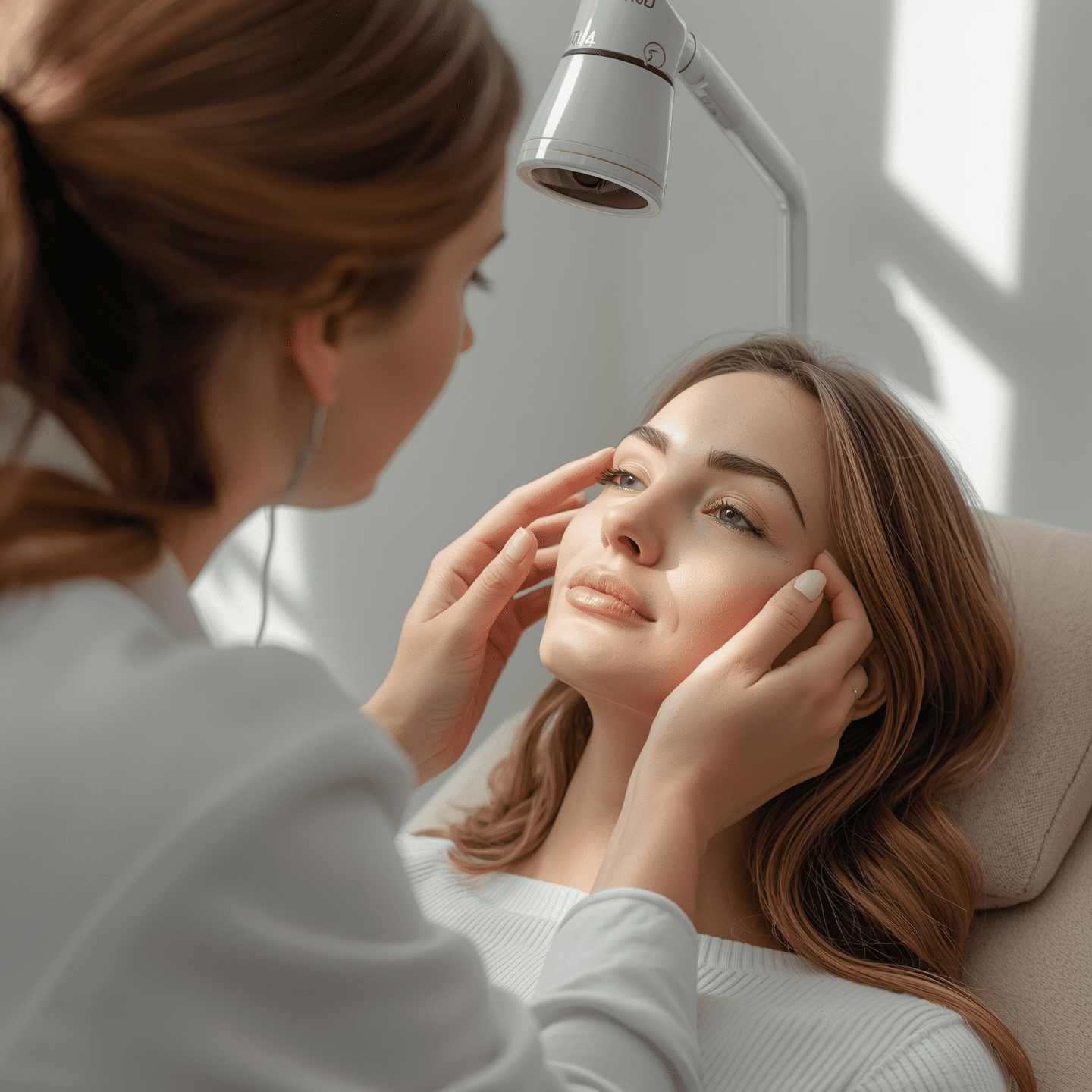
Combination skin gets labeled as difficult, but it’s actually very logical. Different areas behave differently. The problem starts when people try to treat the entire face the same way. What usually works is selective care addressing what each area needs without overcorrecting. This level of nuance is often what people expect when they search for a best aesthetic clinic in Islamabad, even if they don’t realize that’s what they’re looking for.

Sensitive Skin: When Skin Reacts Before You Expect It

Sensitive skin isn’t always obvious. Sometimes it looks calm until it isn’t. A slight sting, sudden redness, or unexplained flare-up is often the first sign.
Sensitive skin doesn’t mean avoiding professional care. It means being deliberate. In my experience, predictable, gradual approaches outperform aggressive ones every time.
Stress is a major trigger here. Long days, mental fatigue, irregular sleep skin tolerance drops quietly before people notice anything is wrong.

Acne-Prone Skin: Healing Matters as Much as Control

Acne isn’t just about clearing breakouts. It’s about how the skin heals afterward. Treating acne aggressively without supporting recovery often leads to marks, uneven texture, or prolonged irritation.
What works best is calming inflammation early and giving the skin space to repair itself. When healing is respected, outcomes tend to be smoother and more predictable.

Environment Changes Outcomes More Than People Realize

Skin doesn’t exist in isolation. Islamabad’s pollution levels, sun exposure, and daily stress load all influence how skin responds to treatment. Two people with similar skin types can react completely differently simply because their routines differ.
At IPAL Clinic, we often notice improvement not just from treatment adjustments, but from helping patients understand how everyday habits shape their skin’s response.
In our clinical experience in Islamabad, long-term improvement almost always comes from alignment between skin type, treatment choice, and lifestyle.

Why Proper Assessment Makes Everything Easier

Online advice can’t watch how your skin heals. A trained professional can. When skin behavior is understood properly, decision-making becomes simpler and outcomes more consistent. Most patients don’t need more options. They need clarity.

A Steadier Way to Think About Skin Care

Good skin care isn’t rushed. It’s thoughtful. When choices are based on understanding rather than urgency, skin tends to respond more predictably. There’s comfort in that both for the skin and for the person living in it.

How long does it take to see if a treatment suits my skin?
 Usually a few weeks. Calm, steady improvement is a good sign.

Can skin type change over time?
 Yes. Hormones, age, stress, and environment all influence skin behavior.

Is sensitive skin always visible?
 Not at all. Sometimes it only appears after certain triggers.

Why did something work before but not now?
 Skin adapts. Life changes. Treatments need to evolve too.