
IPAL CLINIC

Hair Thinning Explained: Health-Related Reasons People Commonly Miss

Walking through the corridors of our clinic, I often meet patients who are at their wits’ end. They’ve tried the trending rosemary oils, the biotin gummies, and the sulfate-free shampoos, yet they’re still seeing more of their scalp than they’d like. As a clinician, I find that the most effective path to recovery starts by stopping the search for a “miracle product” and starting a search for the “why.”
At IPAL Clinic, we view hair thinning as a complex biological signal. It’s rarely just about the scalp; it’s a reflection of your internal chemistry, your history, and your environment.

The Ferritin Trap: When "Normal" Isn't Enough

One of the most common oversights I see in general practice is how we interpret blood work. A patient might come in saying their doctor told them their iron levels were fine because they aren’t technically anemic. However, hair follicles are incredibly sensitive to stored iron, known as ferritin.
In my clinical experience, hair follicles often begin to “shut down” or enter a resting phase long before you become anemic. If your ferritin is in the “lower end of normal” say, around 30 ng/mL your body will prioritize your vital organs and stop sending resources to your hair. For optimal growth, we typically look for levels closer to 70 or 80 ng/mL. It’s a subtle distinction, but for someone struggling with diffuse thinning, it’s often the missing piece of the puzzle.

The Islamabad Context: Environmental and Lifestyle Stressors

Living in a city like Islamabad brings a specific set of challenges. We have beautiful greenery, but we also deal with intense seasonal pollen and urban dust. Over time, these environmental pollutants can lead to “oxidative stress” on the scalp. This isn’t something you can wash away with a standard shampoo; it’s a microscopic inflammation that can stifle the follicle’s ability to produce a healthy, thick hair shaft.
Furthermore, the fast-paced, high-stress lifestyle of the capital plays a massive role. Stress isn’t just a feeling; it’s a hormonal event. High levels of cortisol can push a large percentage of your hair into the telogen (shedding) phase prematurely. When patients ask about hair loss treatment in Islamabad, I always start by looking at their stress cycles from three to six months ago. Hair growth has a “lag time,” meaning the thinning you see today is often the result of a stressful event or illness that happened last season.

Hormonal Nuances Often Missed

We often talk about “hormonal hair loss” in the context of genetics, but it’s often more subtle. I’ve seen many cases where a slight thyroid irregularity one that doesn’t necessarily make the patient feel “sick” is the primary culprit.
The thyroid acts as the body’s thermostat. If it’s slightly sluggish, the metabolism of the hair follicle slows down. The hair becomes finer, loses its luster, and breaks more easily. At the IPAL Clinic, we don’t just look at the hair; we look at the person. We check for the cold hands, the midday fatigue, and the thinning of the outer eyebrows all clinical clues that point toward a systemic issue rather than just a scalp problem.

The Misconception of "The Quick Fix"

There is a lot of noise in the aesthetic industry. People often jump straight to aggressive procedures without stabilizing the “soil” first. In our clinical experience in Islamabad, we’ve found that the most sustainable results come from a staged approach.
If you have an underlying Vitamin D deficiency which is surprisingly common even in our sunny climate because we spend so much time in offices or cars no amount of external treatment will provide a long-term solution. Your follicles need the “building blocks” of Vitamin D, Zinc, and Amino Acids to actually construct the hair.

Realistic Expectations and the Growth Cycle
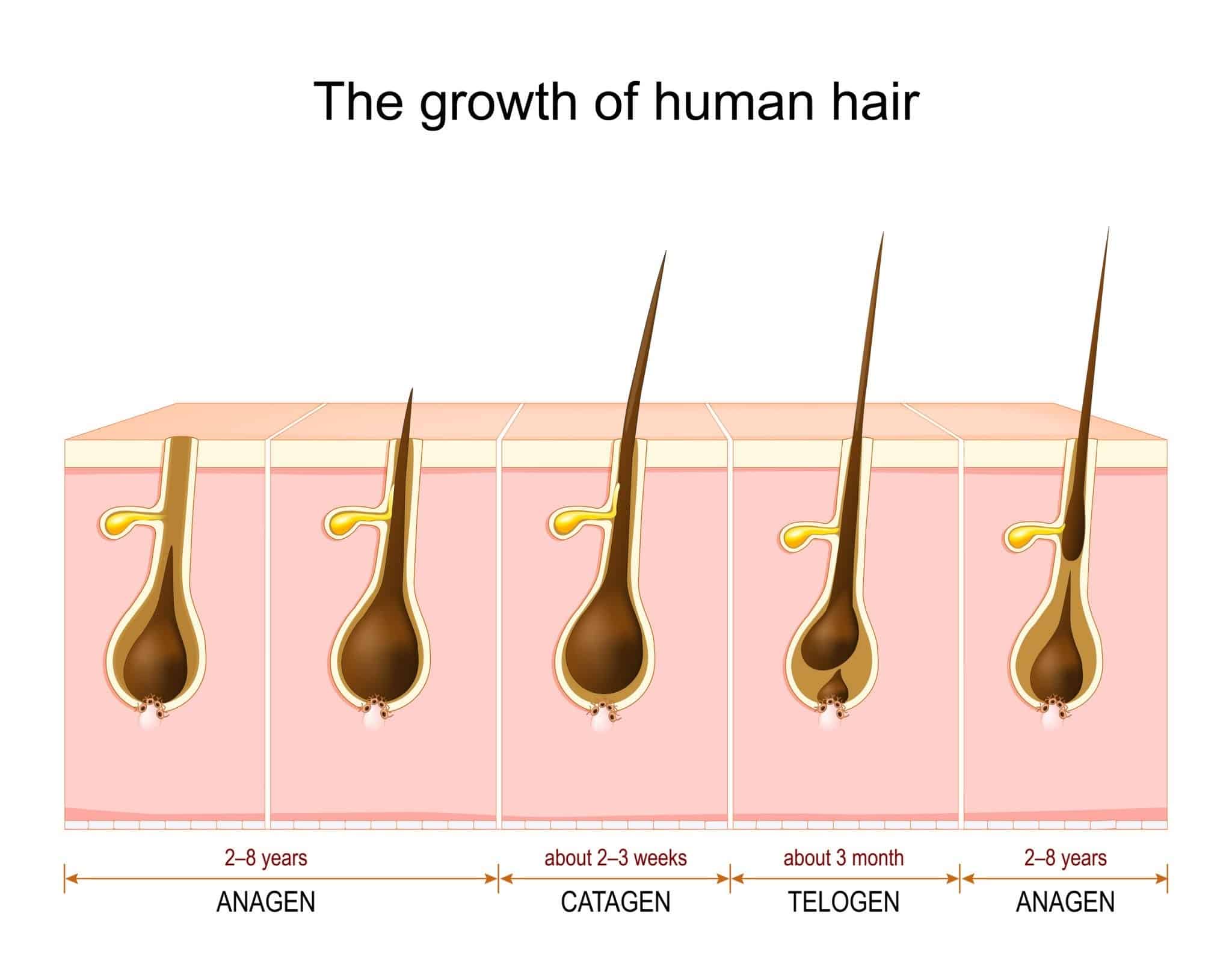
The hardest part of any clinical hair journey is patience. Because the human hair cycle is so slow, you won’t see the results of a change in diet or a new clinical protocol for at least 90 to 120 days.

I often tell my patients to stop looking in the mirror every morning with a magnifying glass. Instead, we look for “clinical wins” like reduced shedding during washing or the appearance of “baby hairs” along the hairline after a few months of consistency.

A Reassuring Path Forward

If you’ve noticed your hair losing its volume, try not to panic. Panic only increases the cortisol that contributed to the problem in the first place. Hair thinning is rarely an overnight event, and the solution isn’t overnight either.

If you’ve noticed your hair losing its volume, try not to panic. Panic only increases the cortisol that contributed to the problem in the first place. Hair thinning is rarely an overnight event, and the solution isn’t overnight either.

Is my hair thinning because I wear a hijab or a cap?

Generally, no. This is a common worry, but unless the head covering is extremely tight and causes constant tension on the roots (which we call traction alopecia), it won’t cause thinning. However, it is important to ensure your hair is dry before covering it to prevent fungal irritation, which can affect scalp health.

Can I just take a multivitamin to fix this?

A multivitamin can help if you have a broad deficiency, but hair thinning is often caused by a specific gap. Taking too much of certain vitamins, like Vitamin A or Selenium, can actually worsen hair loss. It’s always better to test, not guess.

How do I know if my thinning is permanent?

In most cases of health-related thinning (like those caused by stress, diet, or hormones), the follicle is just “dormant,” not dead. As long as the follicle hasn’t scarred over, there is a very high chance of recovery once the internal trigger is addressed.