

How to Choose the Right Skin Treatment Based on Your Skin Type
admin
December 27, 2025
How to Choose the Right Skin Treatment Based on Your Skin Type
People often assume skin treatments fail because the treatment wasn’t good enough. In reality, that’s rarely the case. Most of the time, the treatment was simply wrong for that particular skin. I see this pattern repeatedly patients trying solutions that worked brilliantly for someone else, then wondering why their own skin reacted differently.
Skin Type Isn’t Just What You Feel in the Morning
Dry Skin: When Doing Less Actually Helps More
Oily Skin: The Mistake of Fighting Oil
Combination Skin: No, Your Skin Isn’t “Confused”
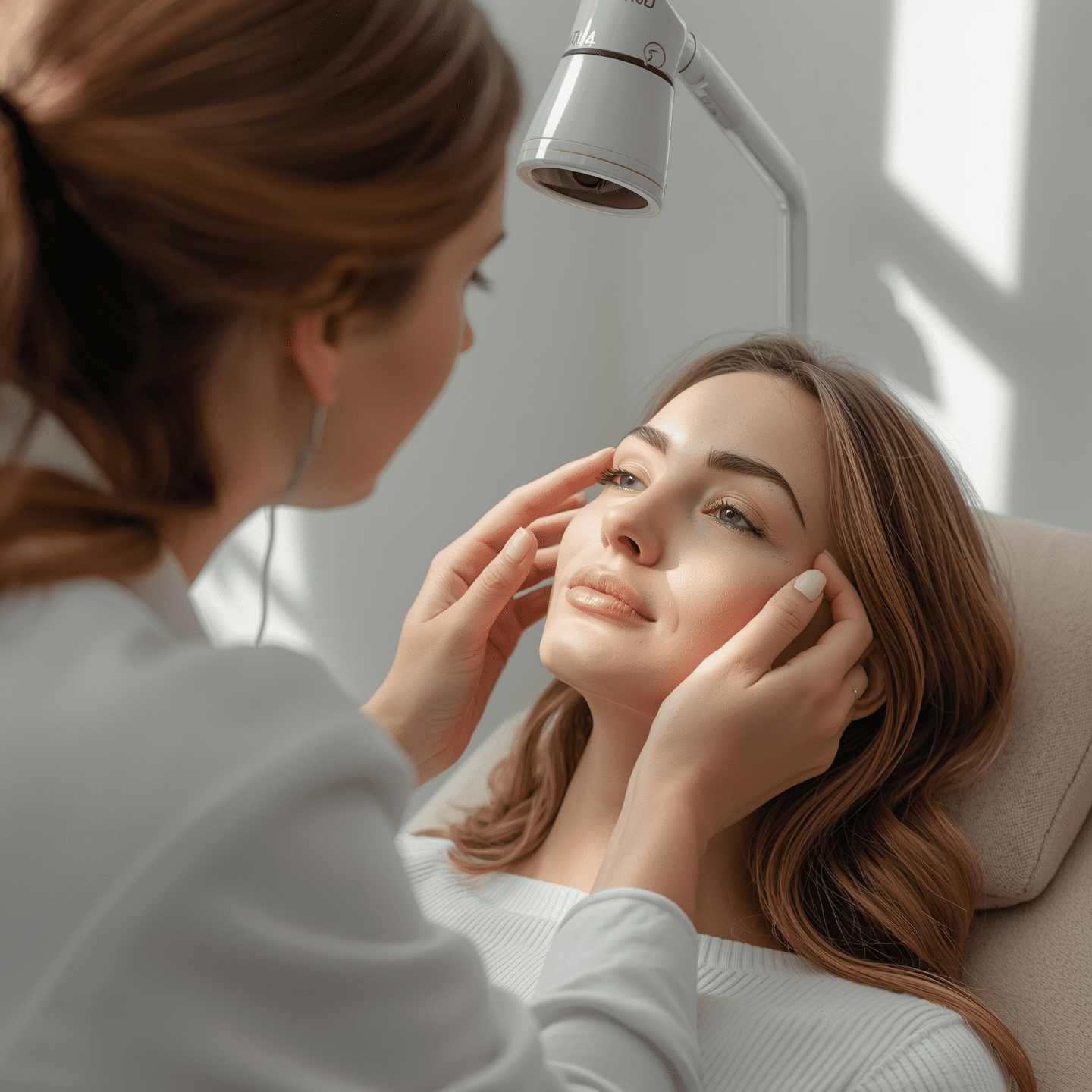
Sensitive Skin: When Skin Reacts Before You Expect It
Sensitive skin isn’t always obvious. Sometimes it looks calm until it isn’t. A slight sting, sudden redness, or unexplained flare-up is often the first sign.
Sensitive skin doesn’t mean avoiding professional care. It means being deliberate. In my experience, predictable, gradual approaches outperform aggressive ones every time.
Stress is a major trigger here. Long days, mental fatigue, irregular sleep skin tolerance drops quietly before people notice anything is wrong.
Acne-Prone Skin: Healing Matters as Much as Control
Acne isn’t just about clearing breakouts. It’s about how the skin heals afterward. Treating acne aggressively without supporting recovery often leads to marks, uneven texture, or prolonged irritation.
What works best is calming inflammation early and giving the skin space to repair itself. When healing is respected, outcomes tend to be smoother and more predictable.
Environment Changes Outcomes More Than People Realize
Why Proper Assessment Makes Everything Easier
A Steadier Way to Think About Skin Care
How long does it take to see if a treatment suits my skin?
Usually a few weeks. Calm, steady improvement is a good sign.
Can skin type change over time?
Yes. Hormones, age, stress, and environment all influence skin behavior.
Is sensitive skin always visible?
Not at all. Sometimes it only appears after certain triggers.
Why did something work before but not now?
Skin adapts. Life changes. Treatments need to evolve too.